
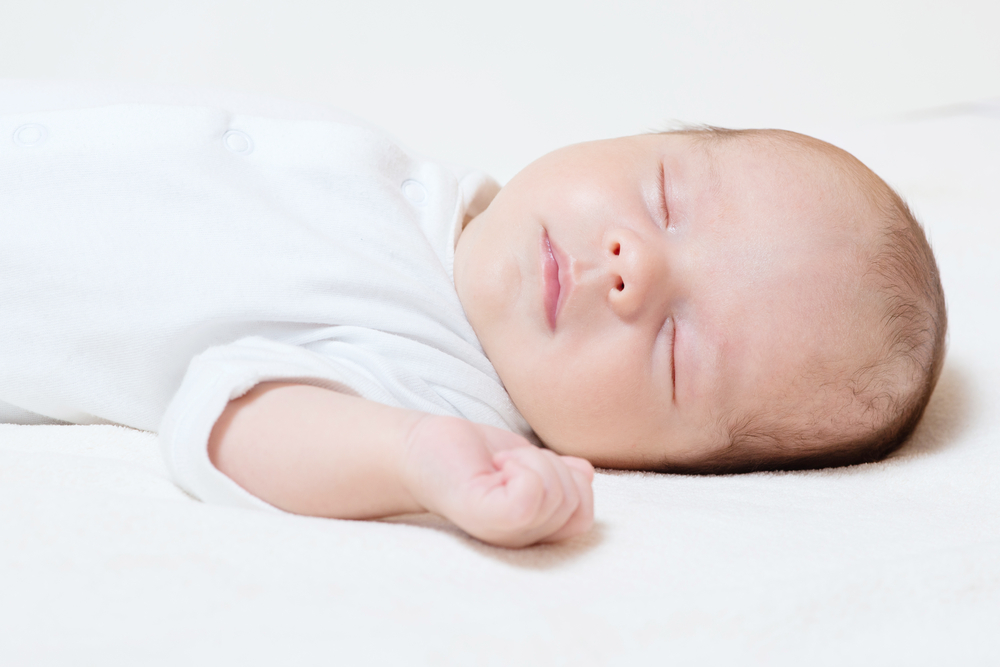
The first year of a baby’s life is the most risky period regarding sudden infant death syndrome (SIDS). Studies show that the most dangerous period for SIDS is around 2-3 months of age. Although beautifully decorated cribs with pillows and blankets are visually appealing, such environments are very dangerous for babies. According to the current theory, there are three components that increase the risk of sudden infant death if they occur simultaneously:
Critical Developmental Period
The first six months of a baby’s life is the period when the risk of SIDS is highest. After this period, the baby can still die from SIDS, but the probability is much lower. This is mainly because the baby’s senses are more developed, they are stronger, can roll over, and are more likely to escape dangerous situations.
External Risk Factors
This could include sleeping on the stomach, sleeping on the side, having pillows and blankets in the crib, or a parent smoking around the baby.
Vulnerable Infant
Such an infant may have an underdeveloped or poorly developed respiratory or cardiovascular system or a limited ability to react (e.g., waking up if they can’t breathe). Premature babies are often at higher risk. They may lack the ability to wake up in response to airway obstruction. Doctors cannot predict which baby lacks this ability, so we do not know which child is “vulnerable.” Therefore, the safest approach is for parents to strictly adhere to the safe sleep rules during the critical development period (0-6 months).
The American Academy of Pediatrics (AAP) recommends the following measures to minimize SIDS (sudden infant death syndrome) during sleep. SIDS does not only refer to suffocation.
Summary of SIDS Prevention Measures
- Always place the baby on their back to sleep.
- Use a firm sleeping surface.
- No bed-sharing if the parent smokes or drinks alcohol.
- Sleep in the same room (room-sharing) for at least 6 months, ideally 12 months.
- Breastfeeding, if possible.
- No pillows, blankets, or crib bumpers (0-12 months).
- Ensure the pacifier is the right size (more appropriate for non-breastfed babies).
- Be cautious of overheating the baby.
- No smoking around the newborn or pregnant woman.
Back Sleeping Position
The only safe sleep position for a baby during the first few weeks and months is on their back. Since this position has been recommended, infant mortality has significantly decreased. Here, you can read more about why the stomach sleeping position is not safe for newborn sleep. Similar to sleeping on the stomach, the side-sleeping position is also unsafe for newborn sleep.
Mothers often worry that if the baby spits up, they might choke if lying on their back. However, when a baby sleeps on their back, the trachea closes off the esophagus, preventing milk from entering.
Sleeping on the stomach or side is safe for babies only when they are developmentally and neurologically mature enough to get into this position themselves during sleep without any assistance.
Sleeping in the Same Room with Parents
The combination of sharing a room and placing a baby on their back to sleep has proven to be a very effective protection against SIDS (Sudden Infant Death Syndrome) for the youngest infants. Having the baby close by, such as in an attached co-sleeper or crib, allows the parent, especially the mother, to immediately respond if something is wrong with the baby. What about co-sleeping in the same bed? Here are recommendations for safe co-sleeping.
 Firm Sleep Surface
A firm sleep surface refers to a firm and not overly soft mattress, sleeping pillows, etc. The risk is that the baby’s chin could tuck into their chest, possibly blocking their airways, leading to suffocation. Another risk is the baby turning their head to the side and pressing their nose into a soft surface, which can cause hypoxia (suffocation) or rebreathing of carbon dioxide, potentially leading to poisoning.
No Loose Objects, Pillows, or Blankets in the Bed
There should be no pillows, blankets, or any loose soft objects in the crib/bed. These items could come close to the baby’s nose or face, posing a suffocation risk.
Items such as baby loungers, nests, or improper carrying methods are also not safe for sleep due to the risk of the baby’s head tilting forward, blocking the airways and leading to suffocation. Additionally, incorrect positioning in a lounger or nest can lead to the baby’s face being too close to the edge, increasing the risk of carbon dioxide rebreathing and suffocation. Ensure that you follow safe carrying practices.
Breastfeeding
Exclusively breastfed babies have a lower risk of SIDS compared to those fed with formula or mixed feeding (breast milk and formula). Breastfeeding reduces the risk of infections and subsequent sepsis. It also supports the development of a healthy gut microbiome in the baby.
Beware of Overheating the Baby
Overheating significantly increases the risk of SIDS. Monitor the baby’s temperature by checking the back of their neck. When co-sleeping, the baby needs lighter clothing than they would in a crib.